
Real Estate to
Real Experience.
Are you trapped by the "curse of floor area" in urban development?
We redefine cities from collections of "physical floors" to stages for "individual experiences (UX)" through the power of AI and narrative.
The Transformations
3 Transformations
Design by Narrative innovates in three key areas, breaking through the structural limitations of urban development.
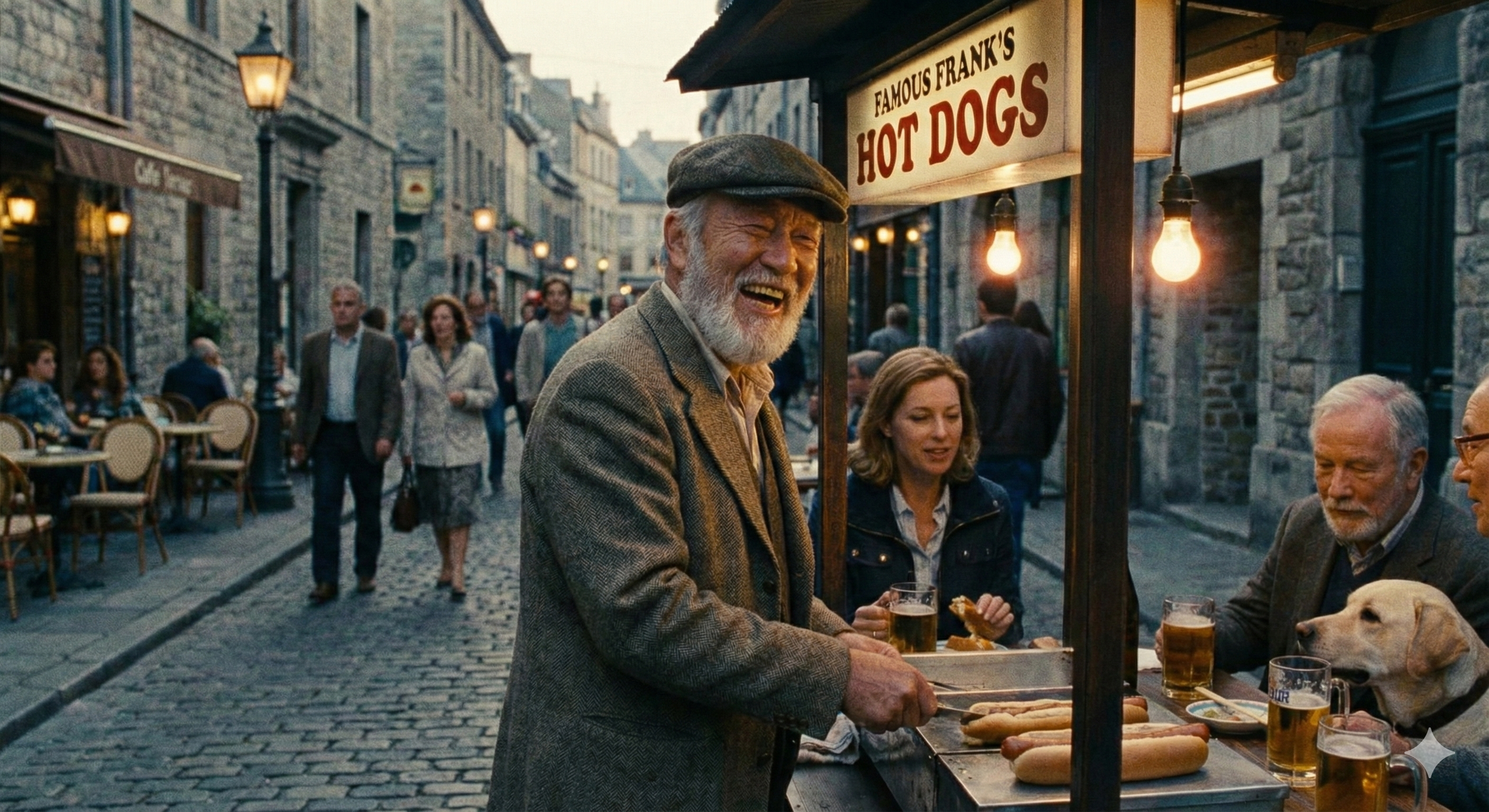
Narrative-driven Value(Narrative-driven Value)
From floor-area-dependent business models to broader monetization through 'empathy' and 'enthusiasm' generated by narratives. We rewrite the definition of real estate value.
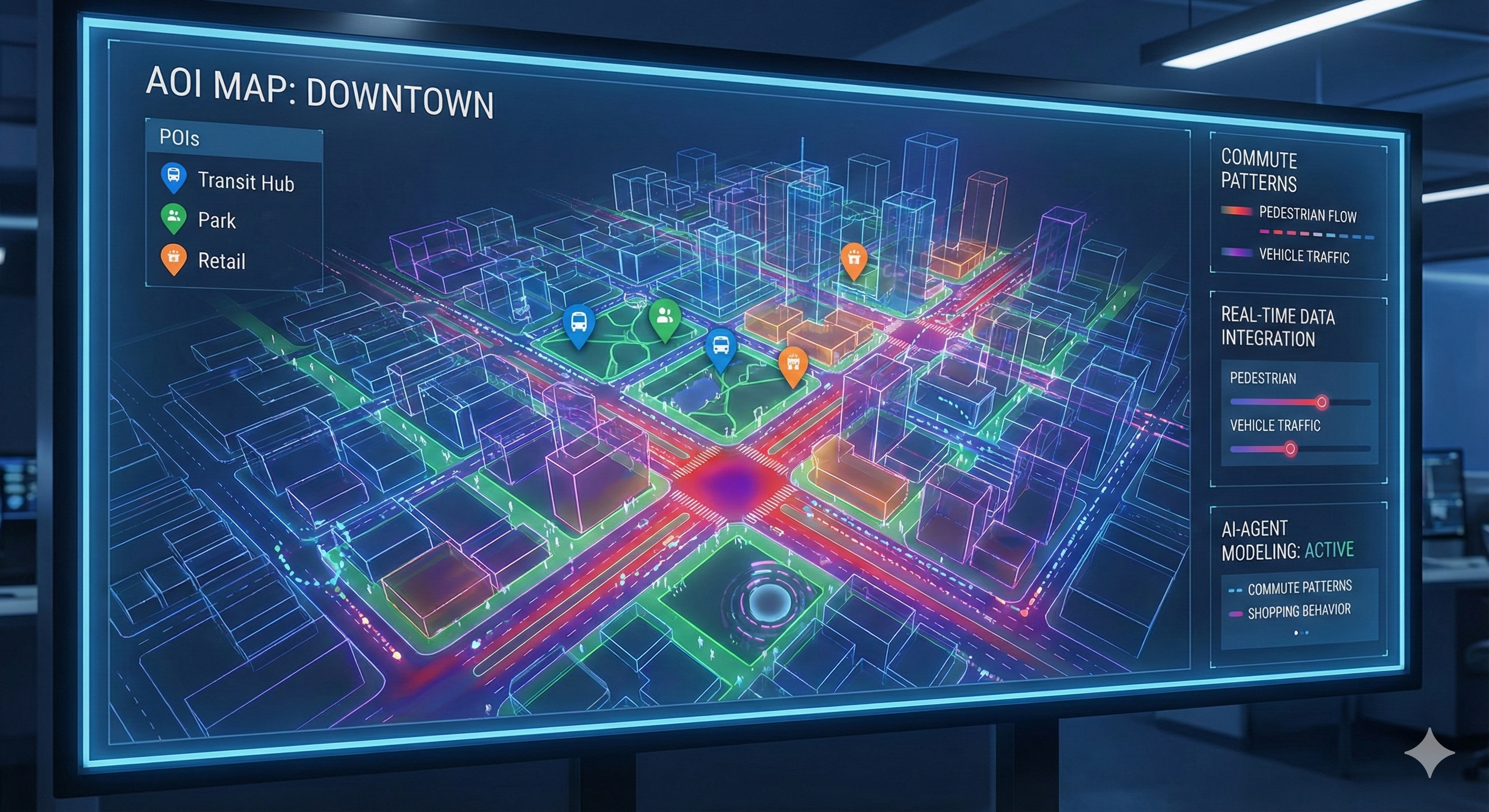
Agile Simulation(Agile Simulation)
Breaking away from one-way waterfall development. We repeat social experiments on AI and digital twins, preventing post-completion mismatches in advance.
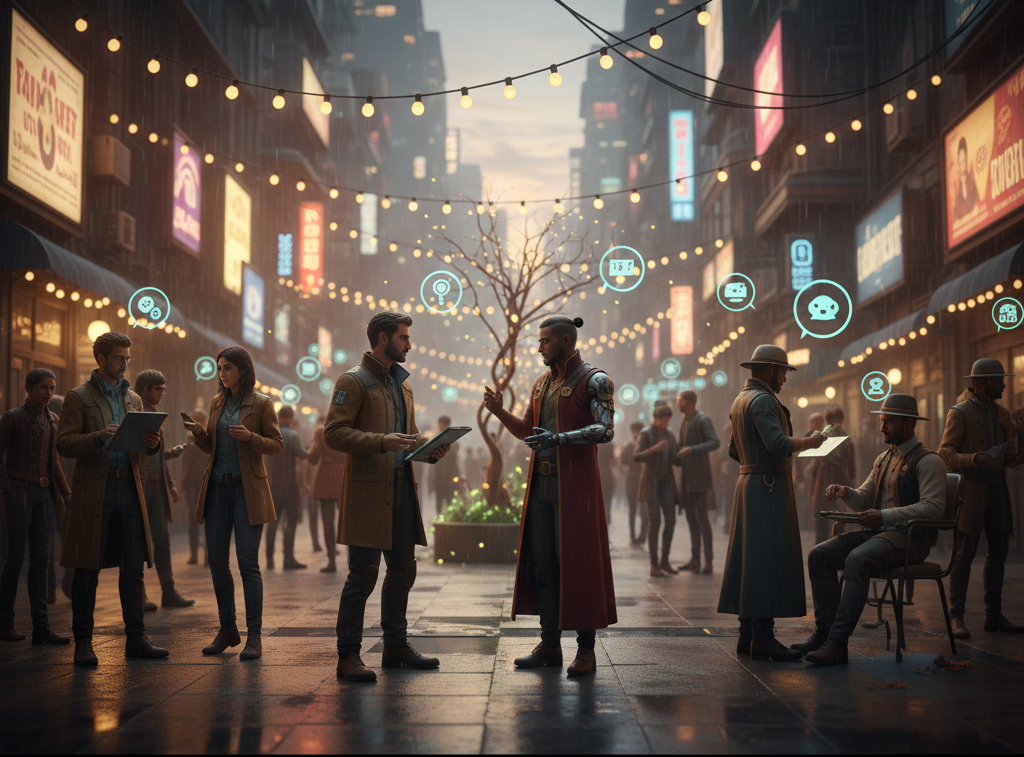
Micro-Data (N=1)(Micro-Data (N=1))
Designing from the stories of specific 'personas (N=1)' rather than average macro data. We discuss high-resolution experiences and clarify for whom happiness is meant.
Narrative Design Workshop

16-Step Overview
Starting from persona settings, through AI simulation, and finally creating a "15-minute short film" instead of blueprints. A systematic 16-step process that doesn't rely on intuition.
- 01. Define City Boundaries
- 02. Create Existing Digital Twin
- 03. List Attractive Scenes
- 04. Characteristic Existing Persona
- 05. List Desired Scenes (AI)
- 06. Desired Persona
- 07. A Day in the City
- 08. Extract Required City Elements
- 09. Identify Potential Spaces
- 10. Draw Storyline
- 11. Create Storyboard
- 12. Digital Twin × Unreal Engine Short Film
- 13. Create Concept Master Plan
- 14. Placemaking
- 15. Business Model Validation
- 16. Short Film Promotion
Hover over numbers on the circle to see details
Phase 1: Analysis & Digital Twin
- Step 01Define City BoundariesSet the optimal scale where a lifestyle 'day' can be told within walking distance (Walkable 5–7 minutes). Define the spread of activities with a two-layer structure: Core zone (500m) and Influence zone (1.5km). Key Action Decode the current 'city DNA' from both data and emotional perspectives.
- Step 02Create Existing Digital TwinAggregate various information such as pedestrian flow data, GPS, and public transportation information on a 2D map. Further incorporate SNS posts and photos to visualize the city's 'expressions by time of day'. Key Action Decode the current 'city DNA' from both data and emotional perspectives.
- Step 03List Attractive ScenesEmbed the city's Good Scenes / Bad Scenes on the map. The key is to clarify 'for whom (subject)' the scene is attractive. Key Action Decode the current 'city DNA' from both data and emotional perspectives.
- Step 04Characteristic Existing PersonaDefine representative current resident profiles (5 people) that form the base for creating a personified 'City Archetype'. Key Action Decode the current 'city DNA' from both data and emotional perspectives.
Phase 2: Persona & Scenario
- Step 05List Desired Scenes (AI)Generate scenes we want to realize in the future. While leveraging AI, perform 'discomfort screening' to exclude excessive future images that deviate from the city's 'character'. Key Action Use AI to concretely define 'who' will 'do what' in the future.
- Step 06Desired PersonaUsing the 'Person + Mission' model, verbalize what the person wants to achieve in the city. Create future personas including changes in life stages. Key Action Use AI to concretely define 'who' will 'do what' in the future.
- Step 07A Day in the CityBy chronologically organizing behaviors and depicting both weekdays and holidays, the functions needed for the city, gathering points, and rhythms of movement naturally emerge. Key Action Use AI to concretely define 'who' will 'do what' in the future.
- Step 08Extract Required City ElementsExtract urban function elements as UX components such as Park, Cafe, Lab. List 'things that are needed but do not exist now' and add expected parameters. Key Action Use AI to concretely define 'who' will 'do what' in the future.
Phase 3: Storytelling
- Step 09Identify Potential SpacesSpecify three categories: ①usable as-is, ②modifiable, ③non-modifiable. Discover places with high potential value that are underutilized. Key Action Use AI to concretely define 'who' will 'do what' in the future.
- Step 10Draw StorylineApproach urban design as 'screenplay writing'. Structure it with 'place × time × person' and express scene connections with an 'emotional curve'. Key Action Prototype the city as a 'narrative' with a timeline, not as a still image.
- Step 11Create StoryboardLink urban elements to scene transitions (Cut A → Cut B) and smoothly visualize the flow of movement, space, and behavior. Key Action Prototype the city as a 'narrative' with a timeline, not as a still image.
- Step 12Digital Twin × Unreal Engine Short FilmProduce high-quality human dramas that are effective not only for promotion but also for government persuasion, developer persuasion, resident workshops, and fundraising. Key Action Prototype the city as a 'narrative' with a timeline, not as a still image.
Phase 4: Implementation & Business
- Step 13Create Concept Master PlanDesign the city based on the completed story and place necessary elements. Organize in the flow of 'Storyline → Zoning → Experience Flow'. Key Action Convert narratives into business models and build sustainable ecosystems.
- Step 14PlacemakingImplement practical initiatives to make designed spaces function as 'places' where people actually gather, interact, and engage in activities. Realize the city's narrative as actual experiences through events, workshops, and community activities. Key Action Create 'places' where people actually gather and engage in activities, verifying the city's narrative as real experiences, not through blueprints or videos.
- Step 15Business Model ValidationView the city as UX and translate it into a value exchange model. Consider mechanisms based on Spatial ROI such as 'City Subscription' and 'Experience-based Pricing'. Key Action Convert narratives into business models and build sustainable ecosystems.
- Step 16Short Film PromotionDeploy Narrative PV and Digital Twin PV. Expand not only to YouTube but also to Netflix, exhibitions, and international forums to maximize the city's brand value. Key Action Convert narratives into business models and build sustainable ecosystems.
A 15-minute
short film
changes everything.
WATCH CONCEPT MOVIE
The "atmosphere," "flow of time," and "human emotions" that cannot be conveyed through renderings or models. High-quality short films by professional film producers and Unreal Engine become the ultimate communication tool in urban development.
Accelerated Consensus Building
Landowners, government, and residents intuitively share the future, preventing opposition movements in advance.
Agile Proof of Concept
Visualize simulation results from AI personas to verify UX in advance.
Global Promotion
Establish the city brand before completion through expansion to Netflix and international forums.